What Does Squalane Do in Moisturizing Cream?
A clear guide to how it is made, how it works with other ingredients, and what to check before you buy
What Is Squalane?
Have you ever noticed the word Squalane on the ingredient list of a moisturizer?
Squalane is an emollient commonly used in moisturizing creams and facial oils. It helps soften the skin and improve how a product feels when applied [1].
In this article, we look at how squalane is made, how it differs from squalene, how it works alongside other moisturizing ingredients, and what to consider before choosing a cream.
What Is the Difference Between Squalene and Squalane?
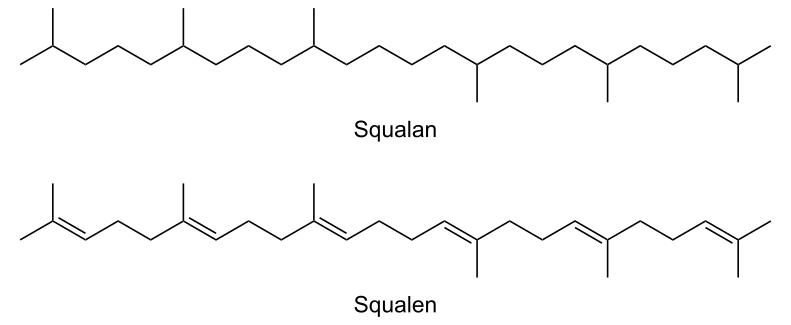
Image source: NEUROtiker, Squalan Squalen.svg, Wikimedia Commons. Public domain. View the original file: https://commons.wikimedia.org/wiki/File:Squalan_Squalen.svg
Figure 1. Chemical structures of squalane and squalene. Squalane has no carbon–carbon double bonds, while squalene contains multiple double bonds.
Sebum is an oily substance produced by the sebaceous glands. It helps lubricate the skin and hair and contains several types of lipids, including squalene [1].
Squalene has several double bonds in its chemical structure, making it more susceptible to oxidation. Oxidation is a chemical reaction that can change a substance over time. For example, some oils can deteriorate when exposed to air [1].
Squalane is made through hydrogenation, a process that adds hydrogen to squalene and removes its double bonds. This produces a more stable molecule that is more resistant to oxidation than squalene [1, 3]. This stability makes squalane useful in cosmetic formulations, although it does not mean that it can never deteriorate under any conditions.
Where Does Squalane Come From?
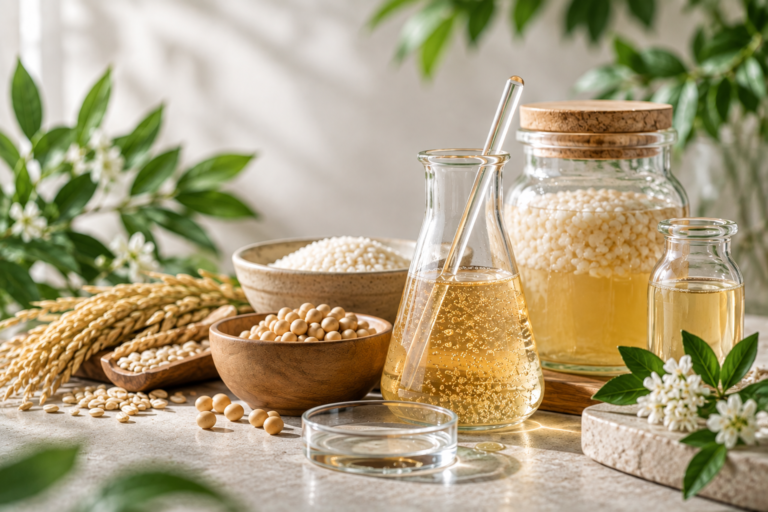
Squalene was historically obtained from shark liver oil. Plant-derived alternatives, including olive-derived sources, are also available [1, 2]. The source used in a particular cosmetic product depends on the manufacturer and supplier. The ingredient name alone does not tell you where the squalane comes from.
What Does Squalane Do in Moisturizing Cream?
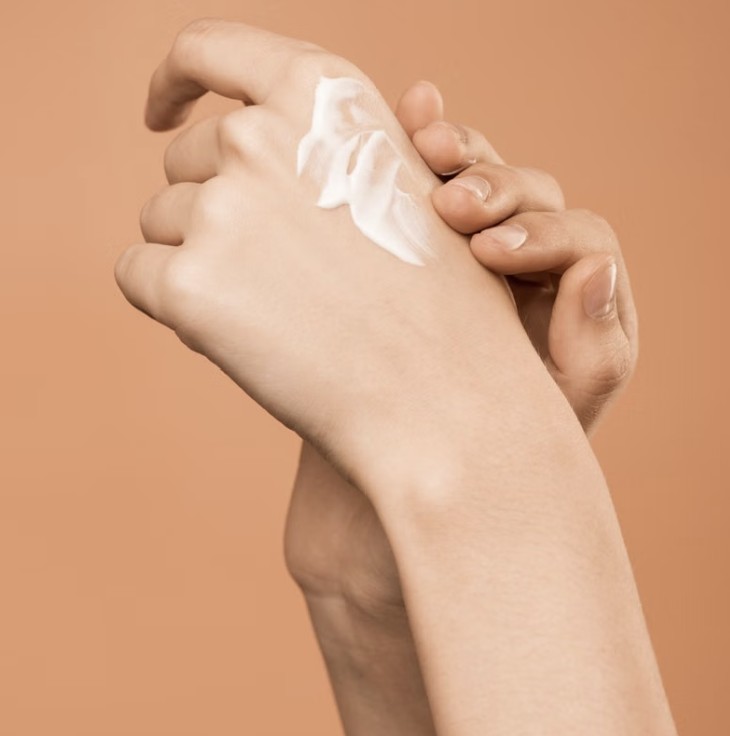
Squalane is used as an emollient, an ingredient that helps the skin feel softer and smoother. It may also affect how a moisturizer feels on the skin.
Moisturizing ingredients are often described by how they work. Three common types are [3]:
- Humectants attract and hold water, such as glycerin.
- Emollients soften and smooth the skin, such as squalane.
- Occlusives form a barrier that slows water loss from the skin, such as petrolatum.
Many moisturizers combine these ingredient types, and some ingredients can have overlapping functions.
Oily ingredients can help reduce moisture loss from the skin’s surface. However, direct research measuring how much squalane alone reduces water loss is limited. The moisturizing performance of a finished cream depends on its entire formulation and how it is used.
In other words, a cream containing squalane does not automatically provide the same moisturizing effect as every other squalane product.
How Is Squalane Different from Other Moisturizing Ingredients?
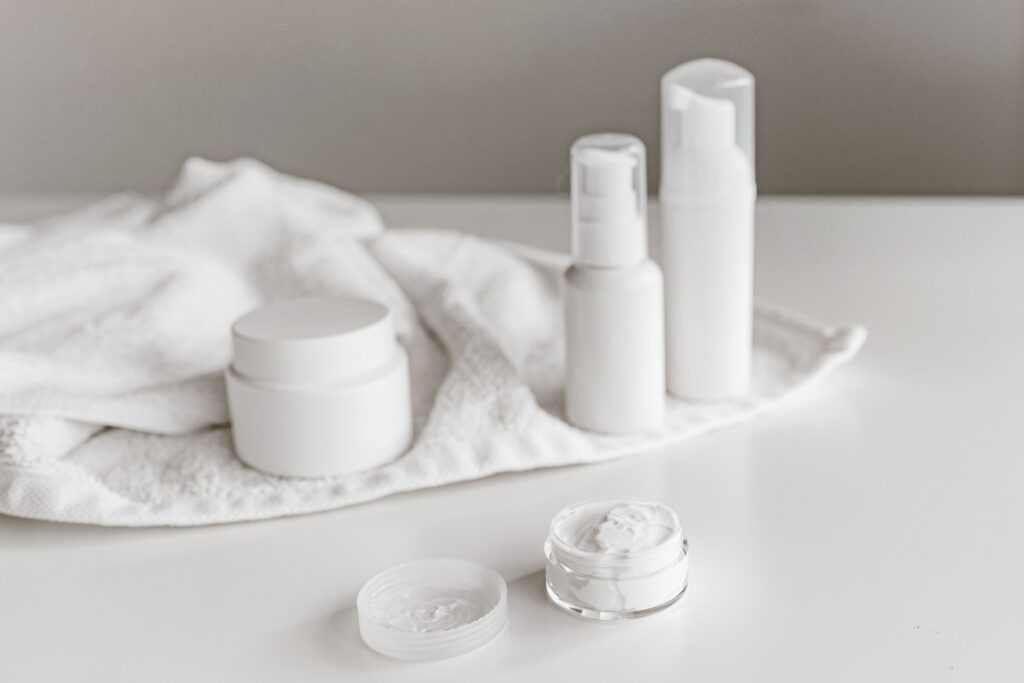
Different moisturizing products combine ingredients and formulations to meet different skincare needs.
Different ingredients support the skin in different ways.
| Ingredient | Type | Main role |
|---|---|---|
| Glycerin | Humectant | Attracts and holds water in the skin [4] |
| Hyaluronic acid | Humectant | Binds and retains water [5] |
| Ceramides | Skin-barrier lipids | Help maintain the skin barrier [6] |
| Squalane | Emollient | Helps soften and smooth the skin [1] |
These ingredients do not necessarily compete with one another. In a well-formulated moisturizer, they can play complementary roles.
For example, a cream containing glycerin, ceramides, and squalane may combine a humectant, barrier-supporting lipids, and an emollient. The best combination depends on the complete formula and your skin’s needs.
Is Squalane Suitable for Every Skin Type?
The Cosmetic Ingredient Review (CIR) Expert Panel concluded in its 1982 safety assessment that squalane and squalene were safe as cosmetic ingredients under the practices of use and concentrations evaluated at that time [7].
However, an ingredient safety assessment does not guarantee that every product will suit every person’s skin.
- Dry skin: Squalane may help the skin feel softer and smoother.
- Oily skin: Consider the texture of the complete product and whether it leaves your skin feeling too oily.
- Sensitive skin: Check the full ingredient list, including fragrance and other ingredients that may irritate your skin.
Look for the ingredient list on the product packaging. Squalane is generally listed by its ingredient name, “Squalane.”
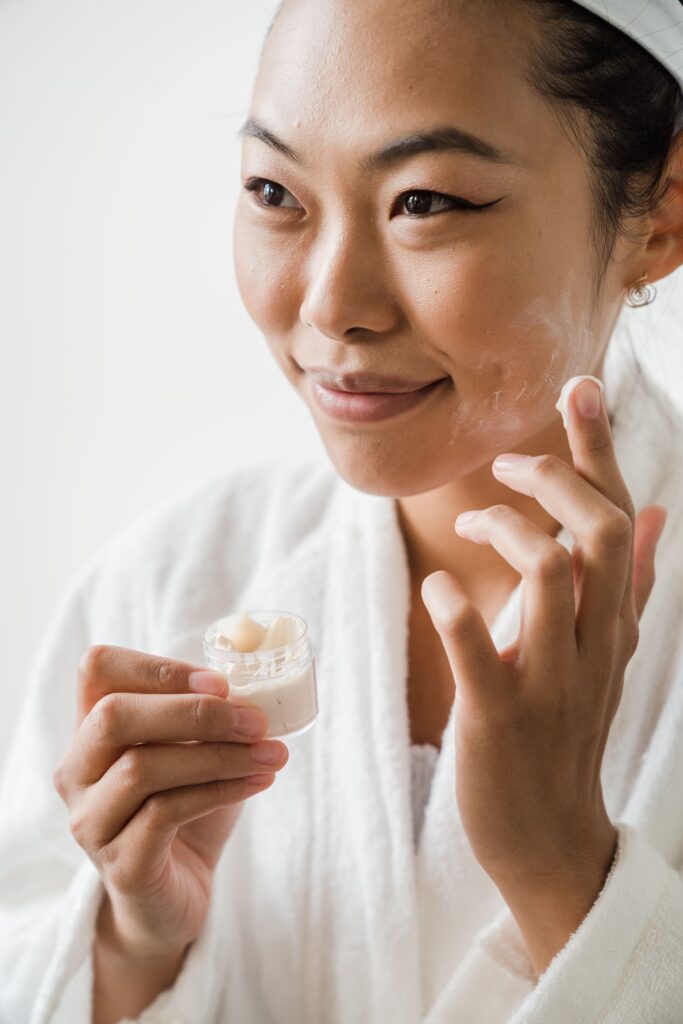
When trying a new product, consider testing it on a small area first. The American Academy of Dermatology recommends applying a new product to a small test area twice daily for 7–10 days. Stop using it if redness, itching, or swelling develops [8].
This approach can help identify some reactions, but it cannot predict every possible reaction.
Does Squalane Make a Moisturizing Cream More Expensive?
A moisturizer’s price depends on many factors, including its ingredients, formulation, manufacturing and quality control, packaging, distribution, marketing, and brand positioning.
The amount of squalane is rarely stated on the ingredient label. Therefore, it can be difficult to compare the squalane content of different products. Price alone is not a reliable indicator of squalane concentration or product performance.
Rather than choosing a moisturizer based on one ingredient, consider its overall formulation, texture, suitability for your skin, and price.
Frequently Asked Questions (FAQ)
Are squalene and squalane the same ingredient?
No. They are related but different. Squalane is produced by hydrogenating squalene, making it more resistant to oxidation [1, 3].
Does the skin naturally produce squalane?
Human sebum naturally contains squalene [1]. Squalane used in cosmetics is generally made by processing a suitable raw material.
Is squalane always plant-derived?
Not necessarily. Squalene was historically sourced from shark liver oil, and plant-derived alternatives, including olive-derived sources, are also available [1, 2]. Check the manufacturer’s information if the source matters to you.
Can people with oily skin use squalane?
Squalane is used in products intended for different skin types, but it will not suit everyone equally. Consider the complete formulation and how your skin responds.
Does a moisturizer containing squalane automatically work better?
No. Squalane can contribute to a product’s emollient properties, but a moisturizer’s performance depends on the entire formulation.
Can I tell where the squalane comes from by reading the ingredient list?
Not usually. The ingredient name alone does not identify its source. Check the manufacturer’s official information if you want to know whether a product uses a particular raw material.
Summary
Squalane is made by hydrogenating squalene to make it more resistant to oxidation. In moisturizers, it is used as an emollient to help soften the skin and improve product feel.
It can complement humectants such as glycerin and hyaluronic acid and skin-barrier lipids such as ceramides. However, its presence alone does not guarantee a particular level of hydration, suitability for every skin type, or a higher-quality product.
When choosing a moisturizer, look beyond a single ingredient and consider the complete formula and your skin’s needs.
Disclaimer: This article is for general informational purposes and is not medical advice. If you have a skin condition or persistent irritation, consult a dermatologist.
References
- Kim, S.-K., & Karadeniz, F. (2012). Biological importance and applications of squalene and squalane. Advances in Food and Nutrition Research, 65, 223–233. https://pubmed.ncbi.nlm.nih.gov/22361190/
- Huang, Z.-R., Lin, Y.-K., & Fang, J.-Y. (2009). Biological and pharmacological activities of squalene and related compounds: Potential uses in cosmetic dermatology. Molecules, 14(1), 540–554. https://pmc.ncbi.nlm.nih.gov/articles/PMC6253993/
- Sethi, A., Kaur, T., Malhotra, S. K., & Gambhir, M. L. (2016). Moisturizers: The slippery road. Indian Journal of Dermatology, 61(3), 279–287. https://pmc.ncbi.nlm.nih.gov/articles/PMC4885180/
- Fluhr, J. W., Darlenski, R., & Surber, C. (2008). Glycerol and the skin: Holistic approach to its origin and functions. British Journal of Dermatology, 159(1), 23–34. https://doi.org/10.1111/j.1365-2133.2008.08643.x
- Papakonstantinou, E., Roth, M., & Karakiulakis, G. (2012). Hyaluronic acid: A key molecule in skin aging. Dermato-Endocrinology, 4(3), 253–258. https://doi.org/10.4161/derm.21923
- Meckfessel, M. H., & Brandt, S. (2014). The structure, function, and importance of ceramides in skin and their use as therapeutic agents in skin-care products. Journal of the American Academy of Dermatology, 71(1), 177–184. https://doi.org/10.1016/j.jaad.2014.01.891
- Cosmetic Ingredient Review Expert Panel. (1990). Final report on the safety assessment of squalane and squalene. Journal of the American College of Toxicology, 1(2), 37–56. https://doi.org/10.3109/10915818209013146
- American Academy of Dermatology. (n.d.). How to test skin care products. https://www.aad.org/public/everyday-care/skin-care-secrets/prevent-skin-problems/test-skin-care-products/